

High heels can change the way the feet, ankles, pelvis, and spine work together. The effect is not identical for everyone, but frequent or prolonged wear may contribute to back discomfort, muscle fatigue, altered walking patterns, and foot problems.
For residents of Mamaroneck, where daily routines may include walking between homes, offices, schools, transit stops, and community events, the amount of time spent standing or walking in dress shoes can matter as much as the height of the heel itself.
How can high heels affect the lower back?
High heels shift the body’s weight forward toward the balls of the feet. To remain balanced, the ankles, knees, hips, pelvis, and trunk make small adjustments. These changes can increase the work required from the calf muscles, hip muscles, and muscles surrounding the lower spine.
Research does not support a single explanation that applies to every person. Some studies have found increased lumbar curvature, while others have found that high heels can reduce certain spinal movements during walking. The consistent finding is that heel height changes pelvic and spinal motion compared with walking barefoot or in lower-heeled shoes. ([pubmed.ncbi.nlm.nih.gov](https://pubmed.ncbi.nlm.nih.gov/28407504/?utm_source=openai))
That altered movement may become uncomfortable when combined with long periods of standing, hard pavement, limited ankle flexibility, weak hip muscles, or an existing back condition.
Does wearing high heels always cause back pain?
No. Wearing heels does not automatically injure the spine or guarantee back pain. Pain depends on several factors, including:
- Heel height and shoe stability
- How many hours the shoes are worn
- Whether the person is walking, standing, or sitting
- Foot shape and shoe fit
- Previous ankle, knee, hip, or back problems
- Leg and hip strength
- Walking surface and weather conditions
A person may tolerate a short event in moderate heels without symptoms but develop soreness after several hours of walking. Someone with a history of low back pain may notice symptoms much sooner.
Studies also suggest that individual responses vary. In one gait study, high heels changed trunk and spinal motion, but the pattern did not simply amount to “more arching equals more pain.” The relationship between footwear and back symptoms is more complicated than posture alone. ([pubmed.ncbi.nlm.nih.gov](https://pubmed.ncbi.nlm.nih.gov/28407504/?utm_source=openai))
Why might the feet and legs affect the back?
The feet provide the body’s contact with the ground. If a shoe limits natural foot movement or places excessive pressure on the forefoot, the rest of the body may compensate.
High heels commonly:
- Reduce the ankle’s ability to move upward
- Increase pressure beneath the front of the foot
- Require greater calf-muscle activity
- Narrow the base of support
- Make balance more demanding
- Shorten the stride and change walking rhythm
These changes can cause discomfort in the toes, arches, heels, calves, knees, hips, or lower back. Narrow high heels may also contribute to problems such as bunions, hammertoes, neuromas, and other sources of forefoot pain. ([apma.org](https://www.apma.org/patients-and-the-public/conditions-affecting-the-foot-and-ankle/heel-pain/?utm_source=openai))
When the feet become painful, a person may unconsciously shorten steps, turn the feet outward, lean forward, or shift weight to one side. Those compensations can increase fatigue farther up the body.
Are some heels less stressful than others?
Generally, lower and wider heels are more stable than tall, narrow heels. A broad heel provides a larger base of support, while a platform can reduce the difference between the heel and the front of the foot.
Shoe design still matters. A moderate heel with a narrow toe box may be more irritating than a slightly higher shoe with a roomy toe area and stable sole. A shoe that slips at the heel can also cause gripping and overuse of the toes and calf muscles.
Useful features may include:
- A heel that is low to moderate and wide enough for stable contact
- A toe box that allows the toes to spread without pressure
- A secure upper that does not require gripping with the toes
- Adequate cushioning under the heel and ball of the foot
- A sole that provides traction on wet leaves, polished floors, or uneven walkways
Seasonal conditions can make stability especially relevant. Rain, snow, slush, and uneven pavement increase the consequences of a narrow or unstable heel. Choosing a safer shoe for the walking portion of an outing and changing footwear later can reduce exposure without requiring heels to be eliminated altogether.
What can reduce discomfort during occasional wear?
Shortening the amount of time in heels is often more practical than trying to “push through” pain. Alternating footwear during a long day allows the feet and lower legs to recover.
Other helpful habits include:
- Walk in supportive, stable shoes when traveling longer distances.
- Avoid standing continuously when sitting or changing position is possible.
- Take brief movement breaks rather than remaining fixed in one posture.
- Stretch the calves gently after removing the shoes.
- Strengthen the hips, legs, and trunk with exercises appropriate for current fitness and health.
- Replace shoes that are visibly worn, uneven, or no longer provide stable support.
- Avoid suddenly increasing heel height or wear time before a major event.
Stretching may relieve temporary tightness, but it should not be used to ignore persistent or worsening pain. Exercise should be gradual and should not reproduce sharp, radiating, or escalating symptoms.
Can chiropractic care help with heel-related back discomfort?
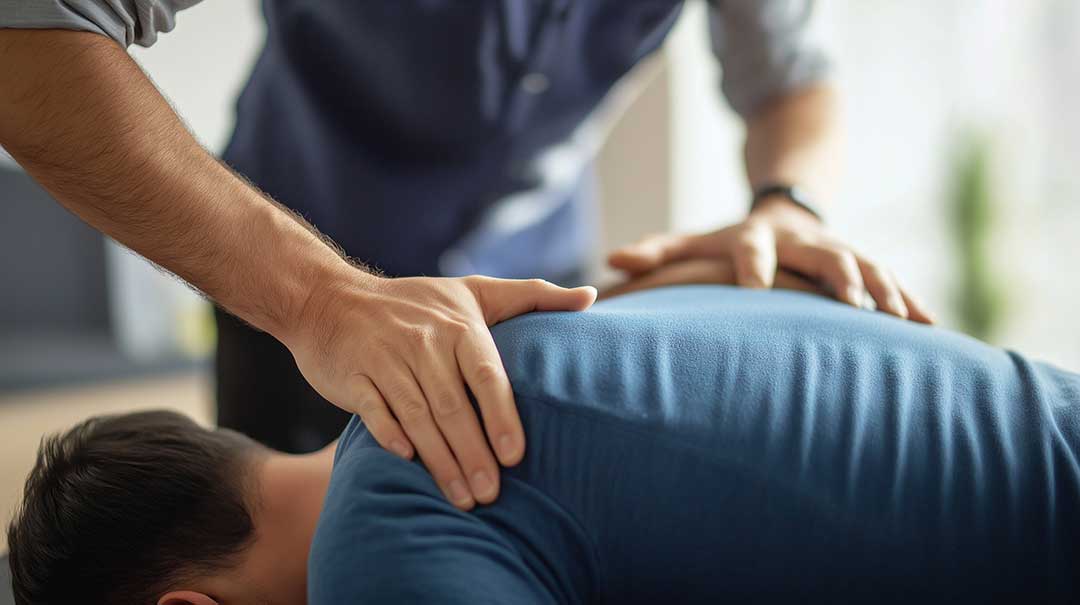
A chiropractor may assess movement of the spine, pelvis, hips, ankles, and feet to identify contributing limitations or asymmetries. Education about footwear, activity modification, mobility, and strengthening may also be part of a conservative plan.
That assessment does not mean every symptom comes from a spinal alignment problem. Back pain can also arise from muscle strain, joint irritation, disc-related conditions, arthritis, nerve compression, or non-musculoskeletal medical conditions. A careful history and examination are needed before deciding what type of care is appropriate.
When should back or leg pain be evaluated promptly?
Seek medical evaluation for back pain accompanied by new leg weakness, loss of bladder or bowel control, numbness in the saddle area, fever, unexplained weight loss, major trauma, or severe pain that does not improve with rest.
Pain that repeatedly returns whenever heels are worn, interferes with sleep or walking, or continues after changing footwear also deserves assessment. Foot pain, heel pain, and calf tightness may be part of the same movement pattern, but they can also represent separate conditions such as plantar fasciitis or Achilles tendon irritation. ([mayoclinic.org](https://www.mayoclinic.org/symptoms/heel-pain/basics/causes/sym-20050788?utm_source=openai))
High heels are not automatically harmful, and lower heels are not a guarantee of comfort. The more useful question is whether a particular shoe, worn for a particular amount of time and activity, allows stable movement without producing pain. Paying attention to that pattern can help local residents make practical footwear choices while protecting everyday mobility.
