

What Causes Sports-Related Back Injuries for Local Residents?
Back injuries can occur in a variety of sports, ranging from soccer to tennis to recreational jogging. In Mamaroneck, NY, the combination of seasonal weather changes and active community sports culture means residents are frequently moving between indoor and outdoor activities. This variation in environment, paired with sudden increases in intensity or improper technique, often leads to strains, sprains, and more serious back problems. Often, these injuries arise from inadequate warm-up routines, poor body mechanics, and skipping rest periods.
How Should Athletes Prepare for Safe Play?
Proper preparation reduces the chances of injury significantly. Begin each session, regardless of sport or age group, with a dynamic warm-up that gets the blood circulating to your muscles and increases flexibility. Specific warm-up examples most suited for the region’s seasonal transitions include:
- Gentle jogging or brisk walking for 5-10 minutes to adjust to cooler or warmer conditions
- Active stretching that mirrors the movements involved in your chosen sport
- Gradual incorporation of practice swings, throws, or footwork before full-speed play
These steps give your muscles and joints time to adapt, especially during Mamaroneck’s cooler spring and fall months when stiffness can increase early in the day.
Which Everyday Habits Affect Sports Injury Risk?
Everyday physical habits contribute as much to back health as any single sports session. In area households, daily activities such as lifting heavy bags, shoveling snow, or raking leaves can strain the back if done incorrectly. Residents can adopt these strategies to minimize cumulative risk:
- Bend at the knees, not the waist, for any lifting task
- Alternate arms and avoid twisting when carrying bags or using tools
- Regularly check sports gear for proper fit and supportive function
Integrating proper form into daily life helps keep back muscles conditioned for recreational activity.
What Role Does Core Strength Play?
A strong core offers foundational support for the entire body, stabilizing the spine during sudden movements and minimizing excessive strain on the lower back. Simple at-home routines that residents can use include:
- Planks (hold for 20–30 seconds and repeat)
- Side bridges
- Gentle abdominal bracing exercises
Performing these exercises two to three times per week can improve resilience over time and reduce injuries during local sports leagues or informal games at community parks.
Are Flexibility and Mobility Really That Important?
Good flexibility allows your body to move through a full, safe range of motion. When muscles and connective tissues are tight, the odds of pulling a muscle during abrupt athletic actions increase. Especially during cold snaps or wet weather common in the region, warming up with gentle stretches for the back, hamstrings, and hips can:
- Lower the risk of strains and tears
- Improve balance and movement control on slippery or uneven surfaces
Yoga or gentle mobility classes, popular throughout the community, are effective supplemental practices for all ages.
How Can Players Avoid Overuse and Fatigue?
Overuse injuries build up from repeating the same motion or playing for too long without adequate breaks. In the city, young athletes sometimes join multiple teams or seasonal leagues, making fatigue more likely. To avoid this, families and individual players should:
- Plan adequate rest days each week
- Alternate sports or positions to give specific muscle groups time to recover
- Pay attention to mild aches—ignoring small pains can result in more serious issues later
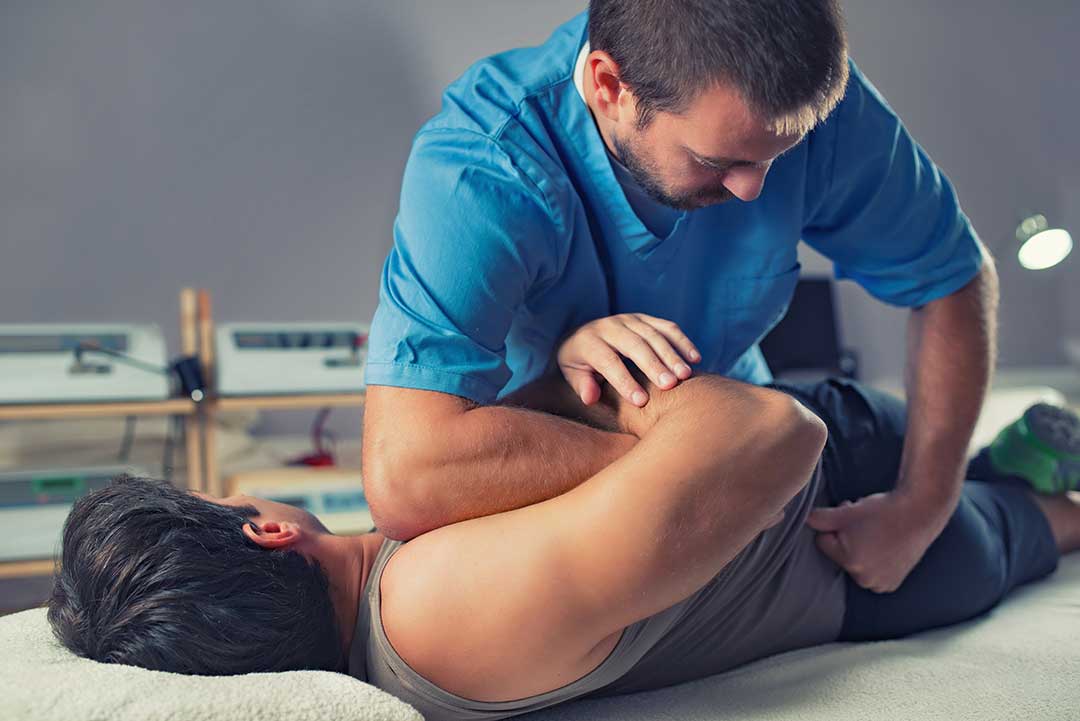
Listening to your body and sticking with a reasonable schedule helps players remain active all year.
What Are Signs That an Injury May Need Prompt Medical Attention?
While most minor strains heal with rest and self-care, certain symptoms could indicate a more serious injury. Immediate actions may be needed if any of these warning signs appear:
- Weakness, numbness, or tingling in the legs
- Severe or worsening pain that limits normal movement
- Loss of bladder or bowel control
If any of these symptoms occur after a sports incident, stop playing right away and seek medical advice to prevent further harm.
How Do Local Environmental Factors Influence Back Safety?
The city’s weather and infrastructure present unique challenges and benefits for sports safety. For instance, icy sidewalks and fields during winter can increase the risk of slips, so proper footwear with good grip is essential. In summer, outdoor games on hard surfaces demand attention to supportive shoes and hydration. Residents should also consider factors like:
- Adjusting warm-ups according to the temperature and location
- Choosing well-maintained fields or courts to minimize tripping hazards
- Bringing extra layers or rain gear for unpredictable weather
By responding to the environment proactively, athletes can support back health in all seasons.
How Can Families Encourage Safe Play in Youth Sports?
Parents and coaches in the community can have a big impact on injury prevention for young athletes. Positive steps include:
- Teaching the value of skill development before increasing intensity
- Focusing on fun, varied movement instead of early specialization
- Modeling good sportsmanship that prioritizes safety and respect
These habits help create an environment where young players can build skills and confidence without putting their backs at unnecessary risk.
