
Living in Mamaroneck, New York, means enjoying the scenic views of the Long Island Sound, the vibrant community events along Mamaroneck Avenue, and the active lifestyle supported by numerous parks and waterfront activities. Whether you’re taking a walk at Harbor Island Park, participating in weekend sports leagues, or simply handling the demands of a busy workweek and family life, muscle discomfort can sneak up on anyone. One of the most common yet misunderstood culprits behind persistent aches is the trigger point.
What Are Trigger Points?
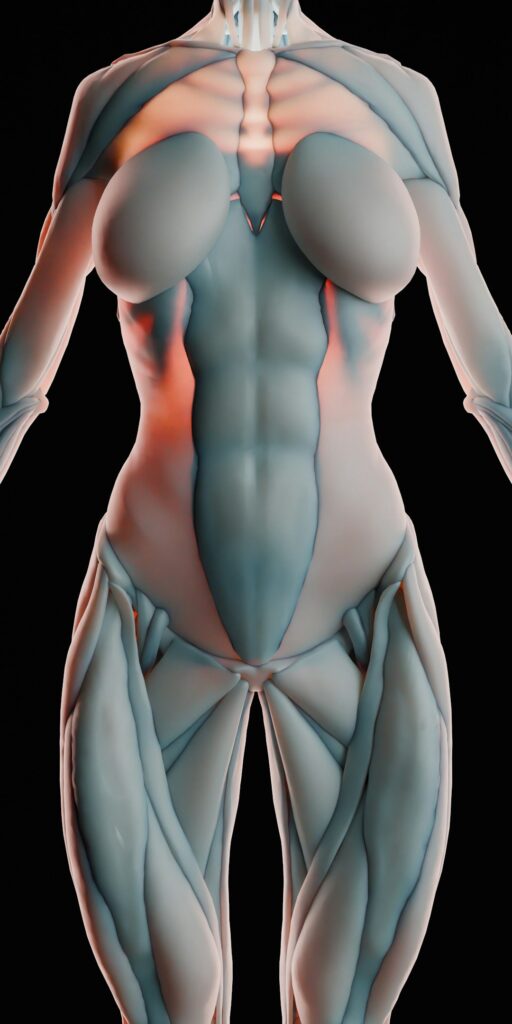
Trigger points, often referred to as "muscle knots," are small, hyperirritable spots in the muscle tissue that can cause pain locally and sometimes radiate discomfort to distant areas. Unlike other types of muscle soreness, trigger points are tight bands or nodules that restrict movement and create a dull, aching pain.
- They may feel like a taut band or hard lump within the muscle.
- Pressing on a trigger point can produce pain in another part of your body, referred to as referred pain.
- These points can lead to reduced range of motion, muscle weakness, and disruptions to daily activities.
Why Do Trigger Points Develop?
The daily routines and lifestyle in Mamaroneck can inadvertently set the stage for trigger point formation. Common causes include:
- Overuse: Participating in repetitive activities like tennis at local courts or frequent runs along the Sound Shore can strain muscles.
- Poor Posture: Long hours at the desk, whether working at home or commuting to Manhattan, promote muscle imbalances.
- Stress: Emotional tension—prevalent in our fast-paced Westchester County environment—leads to unconsciously tensed muscles.
- Injury or Trauma: Slips on icy sidewalks in winter or minor car accidents on Boston Post Road may result in acute muscle injuries that evolve into chronic trigger points.
Recognizing the Signs: Is It a Trigger Point?
People often ask, “How do I know if my pain is from a trigger point?” Some clues include:
- Localized tenderness that worsens with pressure.
- A feeling of tightness that doesn’t relax with stretching.
- Occasional twitching responses when the area is compressed.
- Pain that seems to “radiate” to neighboring areas.
- Difficulty performing familiar tasks, such as lifting groceries at DeCicco & Sons or carrying a kayak by Harbor Island.
Common Areas for Trigger Points
Certain areas of the body are more susceptible to trigger points, especially for those engaged in typical Mamaroneck activities:
- Shoulders and Neck: Frequent in commuters and those working on computers.
- Lower Back: Common among active walkers, local athletes, and parents lifting children.
- Calves and Feet: Seen in joggers running along the waterfront or residents involved in community sports leagues.
How Do Trigger Points Cause Muscle Pain?
Trigger points disrupt normal muscle function by:
- Restricting blood flow, causing reduced oxygen and nutrient supply.
- Releasing pain-producing chemicals.
- Creating persistent, low-grade muscle contraction—sometimes felt as a spasm.
- Forming “referred pain” pathways that can make it hard to locate the true source of discomfort.
For example, a trigger point in the upper back might create pain felt in the shoulder or down the arm—mimicking nerve impingement or other conditions.
Effective Strategies to Manage and Prevent Trigger Point Pain
Residents of Mamaroneck often ask how to address muscle pain without interrupting their lifestyle. Here are some actionable steps:
Self-Care Techniques
- Stretching: Gentle, regular stretches before and after activities can keep muscles supple.
- Hydration: Drink ample water, especially after outdoor recreation.
- Ergonomics: Adjust workstations to support good posture whether at the office or working from your home’s sunroom.
- Rest: Allow muscles time to recover after intense activity or a long day exploring the village.

Professional Interventions
- Chiropractic Care: Local chiropractic clinics offer specific adjustments and muscle therapies to relieve trigger points and restore mobility.
- Massage Therapy: Targeted massage can break down muscle knots and improve circulation.
- Physical Therapy: Customized exercises and modalities from licensed professionals help resolve chronic patterns and prevent recurrence.
- Dry Needling or Acupuncture: Specialized invasive techniques may be recommended for stubborn trigger points.
Lifestyle Adjustments
- Incorporate regular movement into your day, like walking the Mamaroneck Boardwalk.
- Manage stress with relaxation activities such as yoga at Harbor Island or meditation in local greenspaces.
- Mix up exercise routines to avoid overuse of particular muscle groups.
When to Seek Help for Muscle Pain
While some muscle discomfort improves with simple measures, persistent pain should not be ignored. If you experience:
- Pain lasting more than a few days.
- Difficulty sleeping or performing daily tasks due to discomfort.
- Numbness, tingling, or weakness in addition to muscle pain.
- No relief after trying home remedies.
It's wise to consult a healthcare professional. Early intervention by a Mamaroneck chiropractor or physical therapist can prevent small problems from becoming larger issues.
Living Well in Mamaroneck: Don’t Let Muscle Pain Hold You Back
Mamaroneck offers an enviable blend of suburban tranquility, outdoor recreation, and community spirit. Understanding the role of trigger points helps residents take control of muscle pain—so you can focus on enjoying everything this unique village has to offer, from morning coffee at local cafes to sunset sails on the Sound.
Don’t let muscle knots keep you from living your best life in Mamaroneck. Through awareness, prevention, and timely care, it’s possible to unlock relief and keep moving with confidence.
