
What Is Scoliosis and How Does It Affect Daily Life?
Scoliosis is a condition where the spine curves sideways, most often developing gradually during growth spurts in children and teenagers. For adults living in Mamaroneck, scoliosis might be discovered during routine school health screenings, yearly checkups, or after experiencing back pain or changes in posture. Mild curves may go unnoticed for years, while more noticeable cases can lead to uneven shoulders, back discomfort, or visible changes in body alignment.
Residents in the city often wonder how scoliosis might impact day-to-day living—from simple chores at home to staying safe on icy winter sidewalks. In milder cases, people can lead active lives with few limitations. Significant curvature, however, may cause discomfort during physical work, carrying groceries, or gardening in the area’s popular community spaces.
Can Chiropractic Care Be Helpful for Scoliosis?
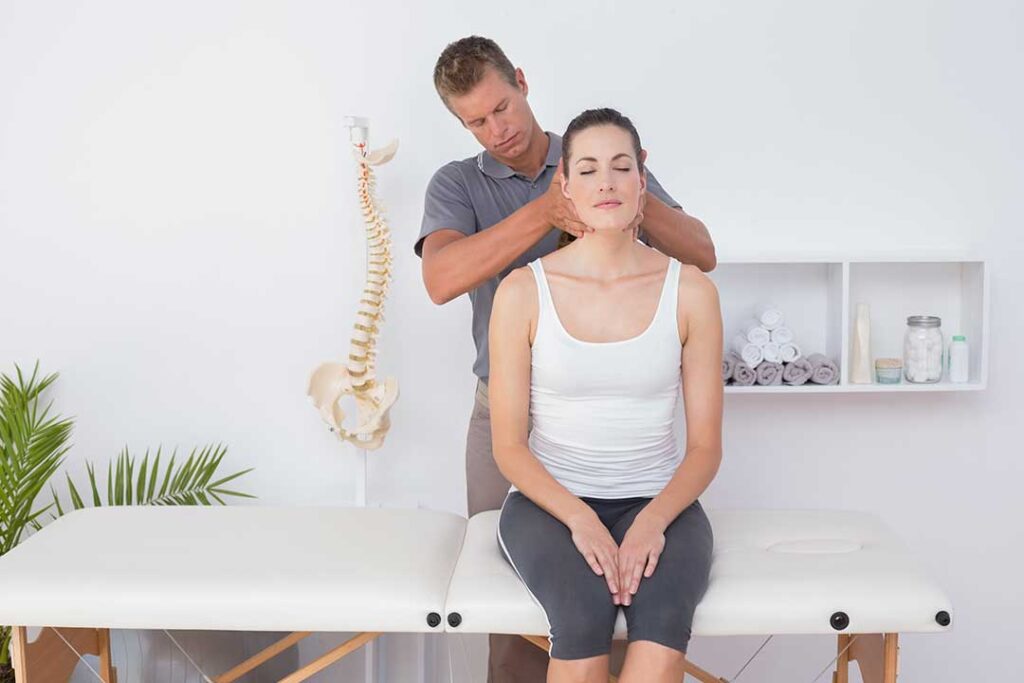
Chiropractic care offers a hands-on approach to supporting spinal health, but it cannot “cure” or reverse the cause of scoliosis. Instead, local practitioners may work with residents on pain relief, improvements in mobility, and posture support. While some people find that regular chiropractic visits help them manage muscle tension or discomfort related to spinal curvature, others may need additional guidance from orthopedic specialists or physical therapists.
Key points from recent research and patient experience show:
- Chiropractic adjustment cannot straighten a scoliotic curve
- Treatments may help relieve back pain, stiffness, and tension in muscles surrounding the spine
- Benefits are usually short-term and work best when combined with other management strategies—like guided exercise
It’s common in Mamaroneck for both teens and adults to seek chiropractic input as part of a wider care approach, especially when living with chronic stiffness or after noticing increased discomfort during seasonal weather changes.
What Does a Typical Chiropractic Evaluation Involve?
A chiropractic evaluation for scoliosis begins with a postural and spinal assessment. This usually includes:
- Reviewing personal and family health history
- Visual checks for uneven hips, shoulders, or rib cage asymmetry
- Range of motion and flexibility tests
- In some cases, referral for X-rays to better understand curve severity
Local residents may already have imaging from primary care visits or school screenings. Clear communication with all care providers ensures that recommendations line up with any existing care plans for children, teens, or adults in the community.
How Does Chiropractic Care Address Scoliosis Symptoms?
A chiropractor will focus on comfort, mobility, and muscle health rather than attempting to “fix” the curve. Common supports for Mamaroneck residents might include:
- Gentle spinal adjustments to ease joint tension
- Targeted soft tissue work on tight muscles
- Posture education—for instance, tips for studying at home, safe shoveling technique, or carrying children
- Stretching plans to increase flexibility for sports or daily routines
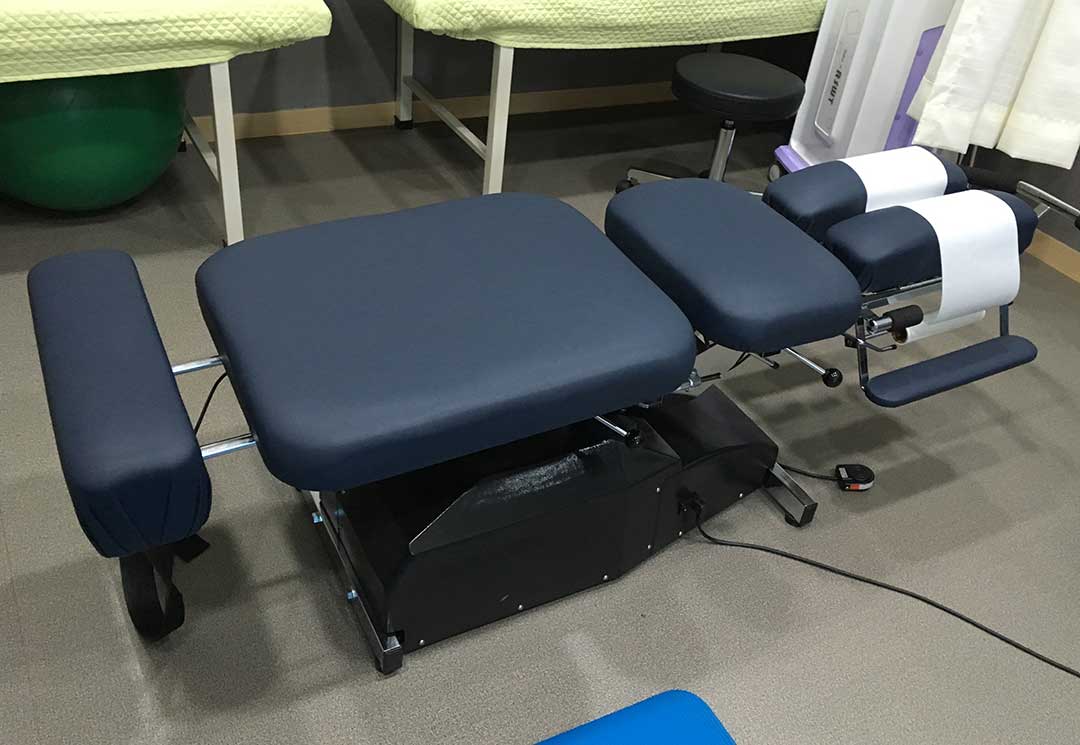
In homes with multiple floors, carrying laundry or climbing stairs can aggravate symptoms—adjusting home tasks or learning safer movement patterns may be discussed during visits.
What Other Strategies Should Residents Consider?
Medical guidelines encourage a team approach for scoliosis, blending input from orthopedists, physical therapists, and, when appropriate, chiropractors. Residents can consider the following for practical, whole-body management:
- Physical therapy, such as tailored strengthening and stretching routines, is often central—helping maintain function and reduce long-term discomfort
- Supportive tools like braces may be recommended for children and teens with progressing curves
- Low-impact activities such as swimming or gentle walking along local greenways can help maintain mobility
Local public schools or sports programs sometimes adapt activities for students with noticeable curves, allowing them to stay active and confident.
Are There Any Risks of Chiropractic for Scoliosis?
Chiropractic care is generally considered low risk when used as a complement to medical guidance and for those without severe or unstable spinal curves. However, certain adjustments may be inappropriate for individuals with highly rigid spines or those with underlying health concerns.
For residents with advancing symptoms, sudden loss of strength or sensation, or breathing issues, immediate medical evaluation is necessary. Regular check-ins with primary care providers and specialty doctors keep care coordinated and safe.
What Are Common Misunderstandings About Chiropractic and Scoliosis?
There is a common misconception that spinal adjustments can correct or heal scoliosis curves. While hands-on care can help manage some symptoms, no manual therapy can reverse structural changes in bone and ligaments caused by scoliosis.
Residents sometimes worry that regular activity will necessarily worsen scoliosis, but staying mobile often benefits spinal health and overall well-being. Focusing on safe movement, posture, and a supportive care approach helps individuals remain active in community events or family activities.
